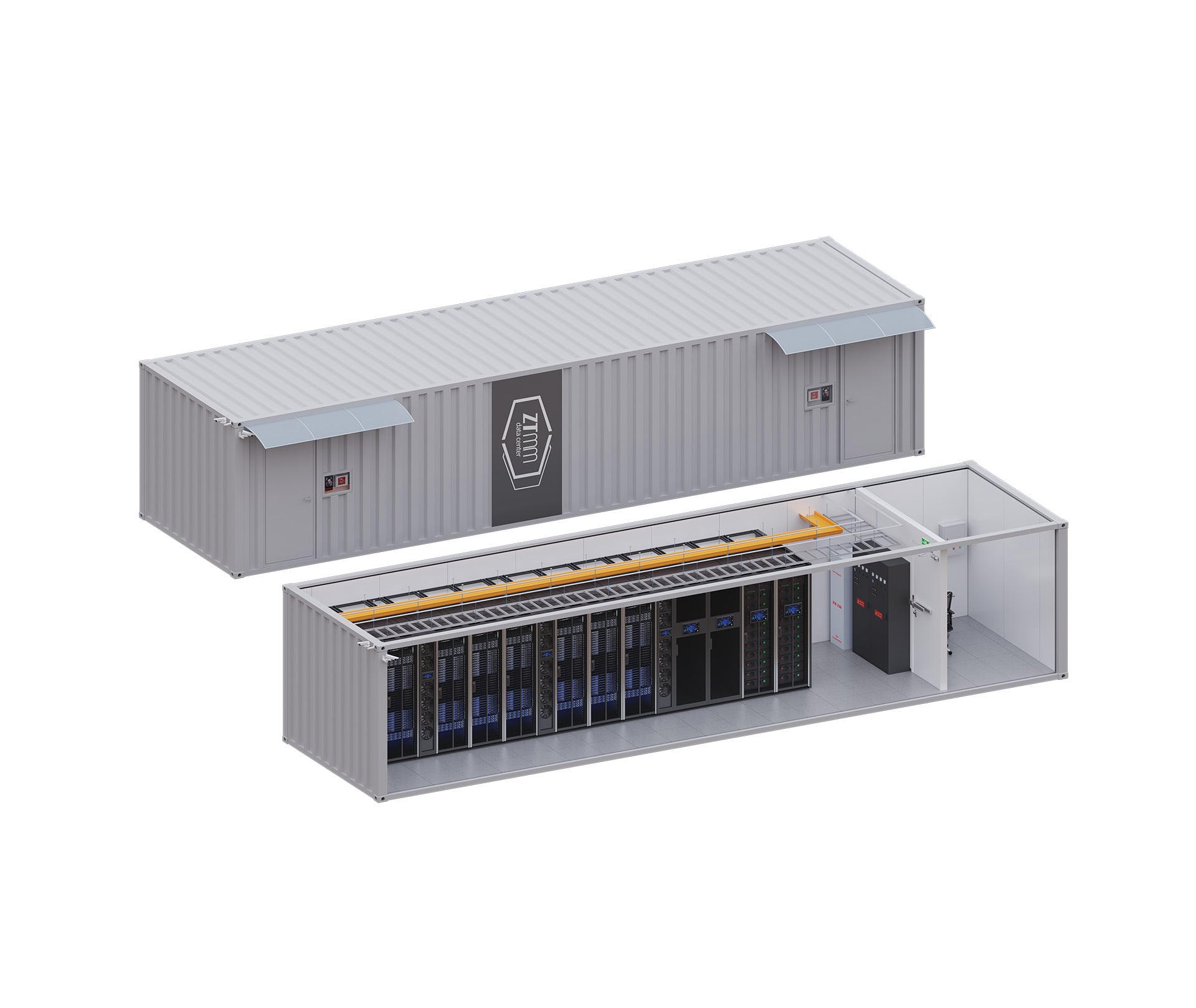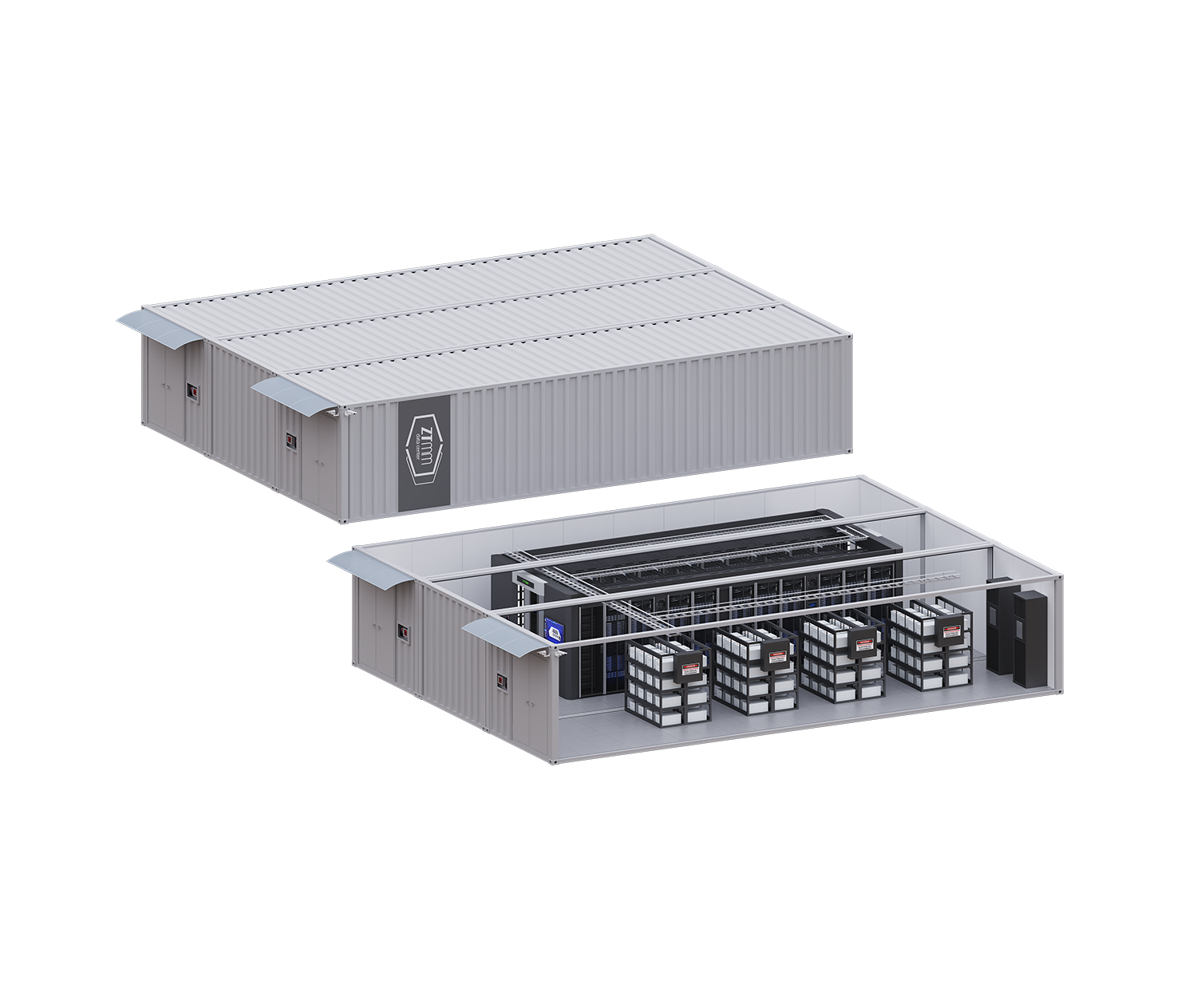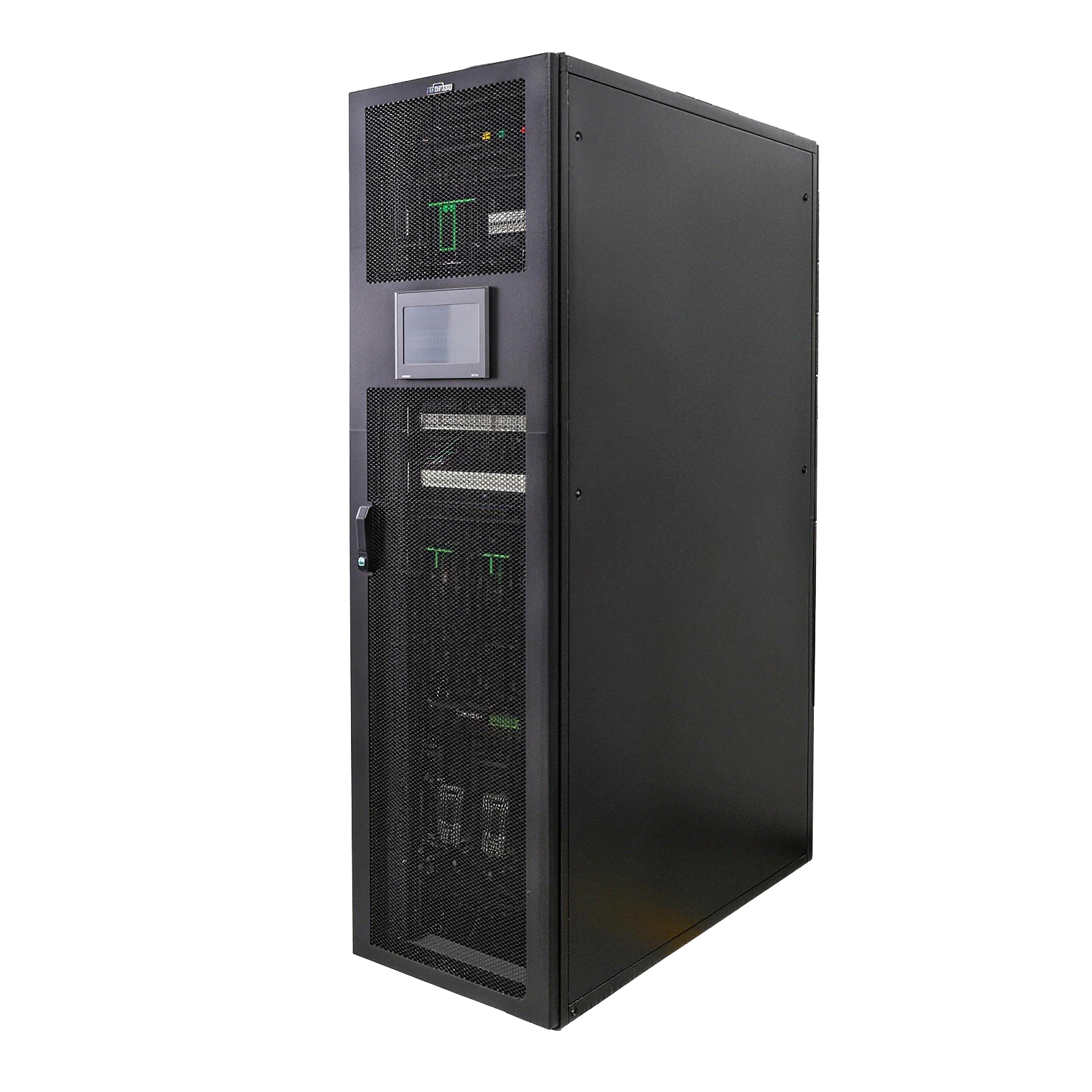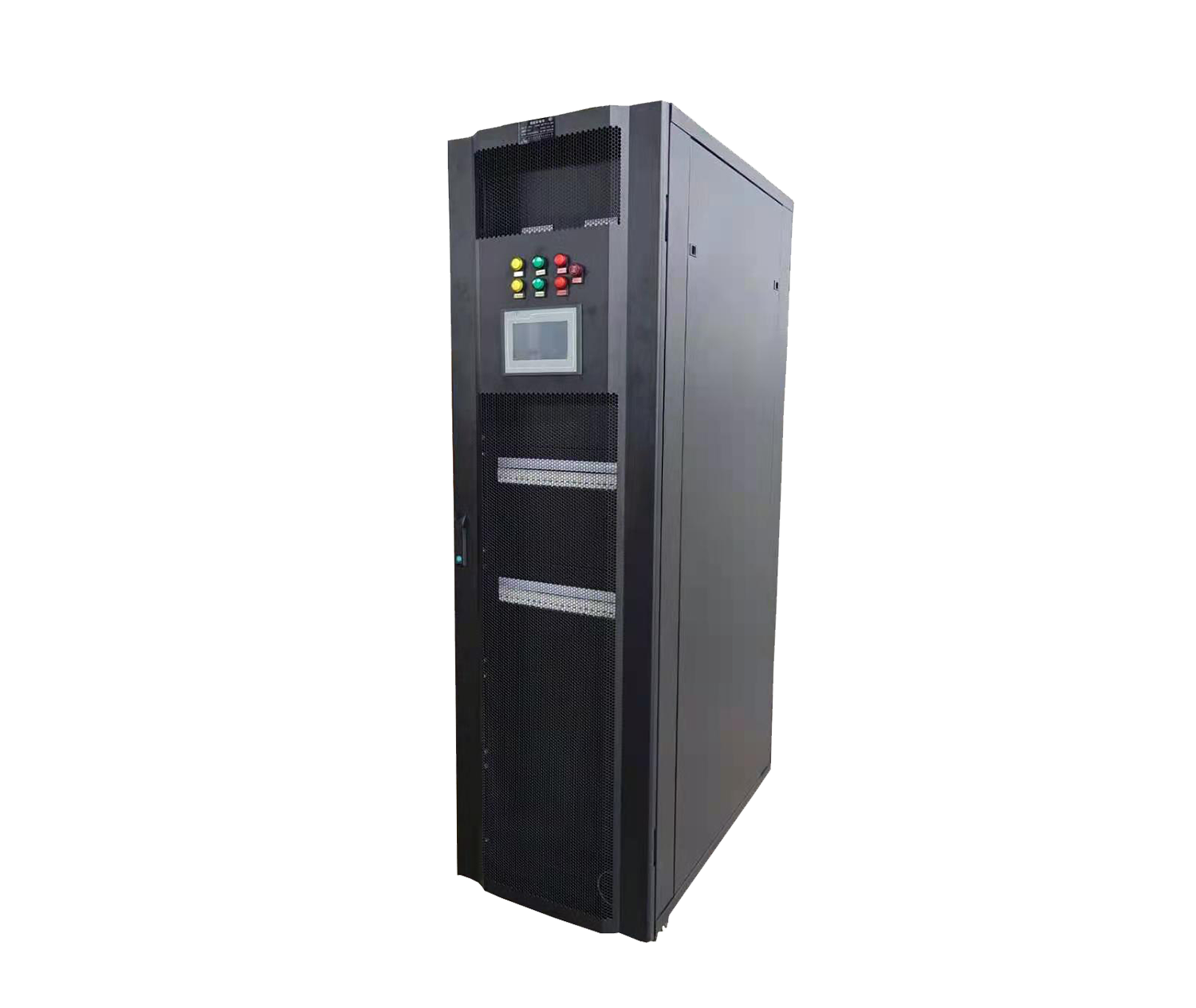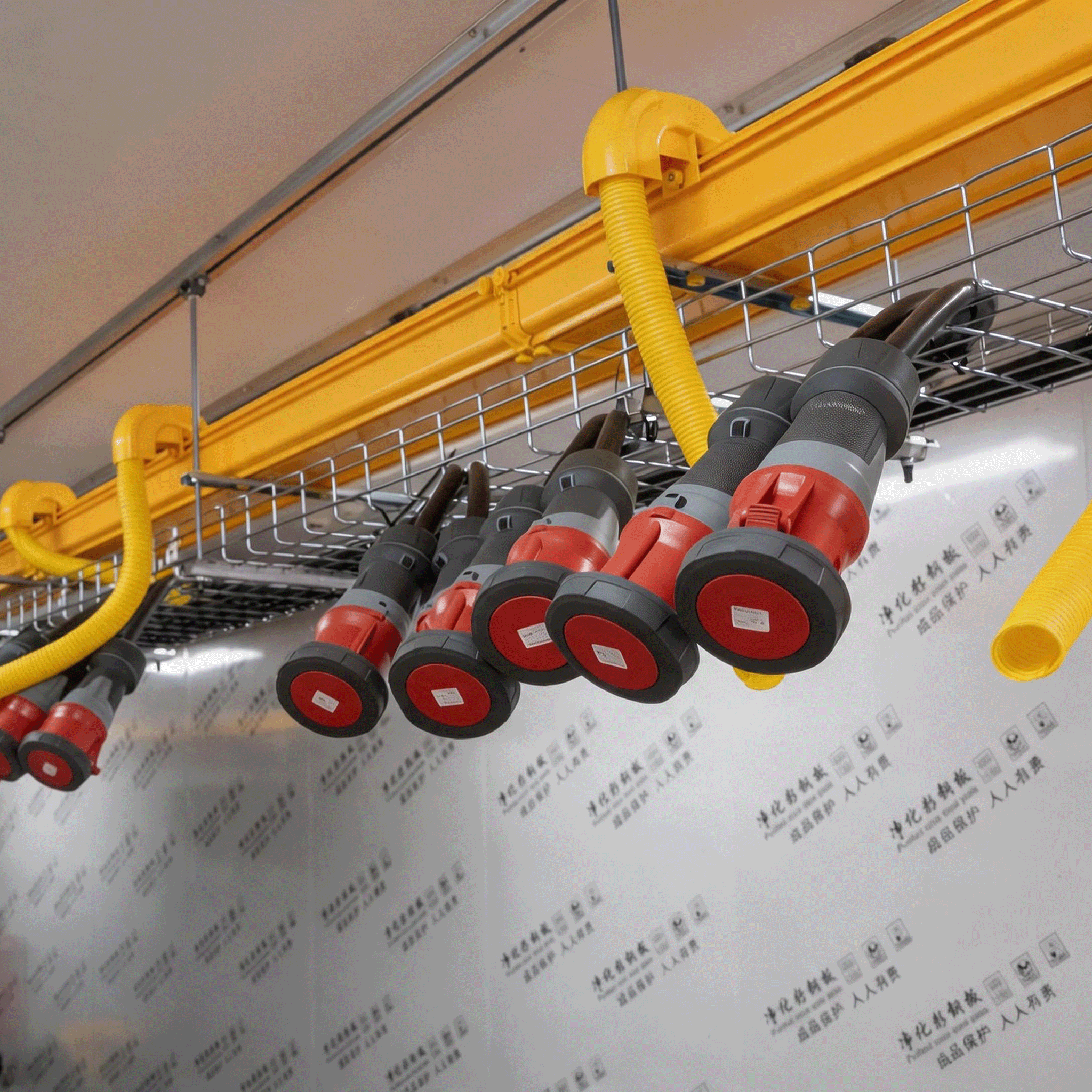
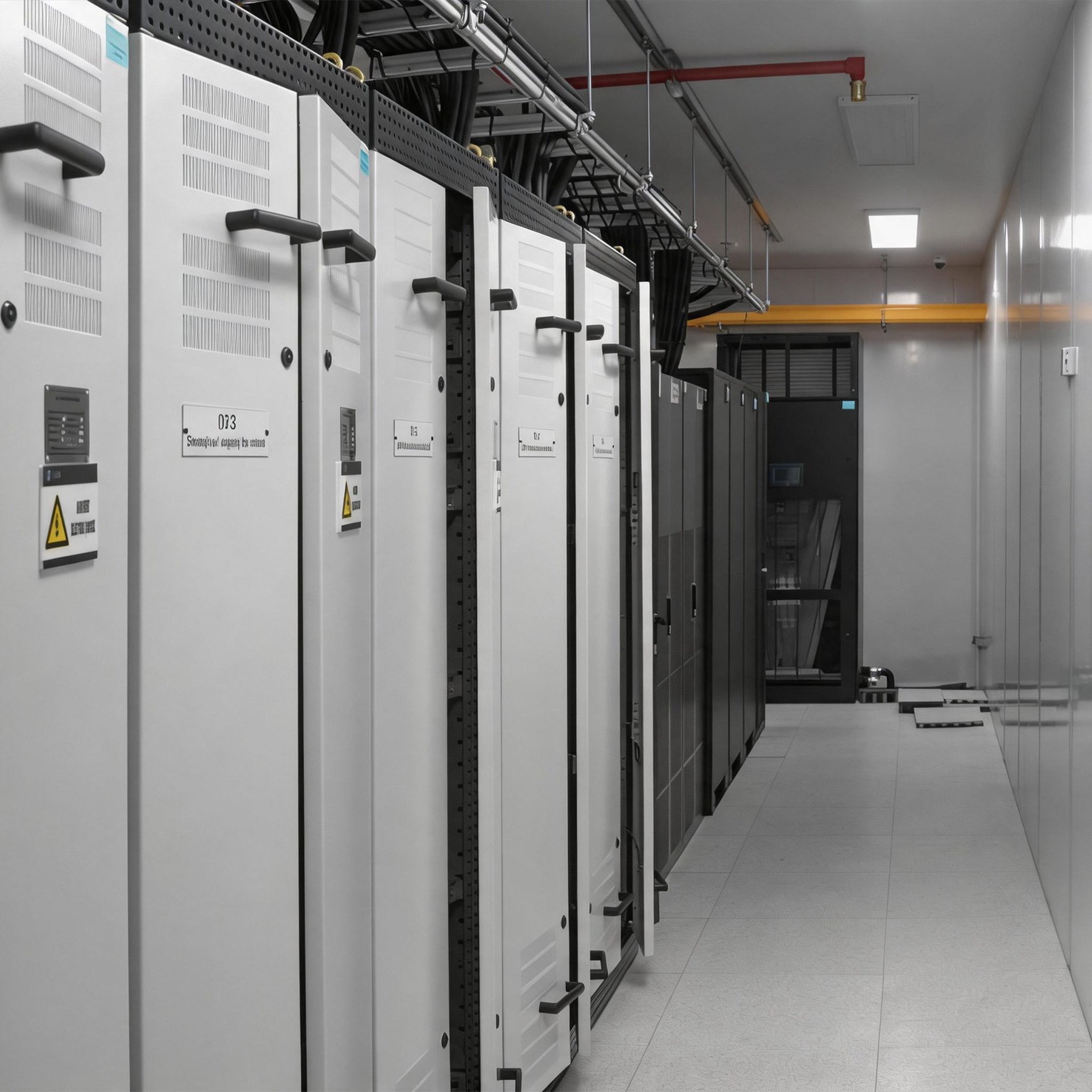
In the realm of data centers, the server room power distribution architecture plays a pivotal role in ensuring that all components receive the necessary electrical supply to function optimally. A well-designed power distribution system not only supports the immediate needs of the server room but also anticipates future growth and technological advancements. Key considerations in designing an effective power distribution architecture include load balancing, redundancy, and energy efficiency. Load balancing ensures that power is evenly distributed across all equipment, minimizing the risk of overload and potential failures. Redundancy is crucial for maintaining uptime; implementing dual power feeds and backup systems can safeguard against unexpected outages. Energy efficiency is increasingly important, as organizations strive to reduce operational costs and meet sustainability targets. By utilizing smart PDUs and energy monitoring tools, data center operators can gain insights into their power usage, identify inefficiencies, and make informed decisions to optimize their infrastructure. Additionally, integrating renewable energy sources into the power distribution architecture can further enhance sustainability efforts while reducing reliance on traditional energy grids. Ultimately, a comprehensive approach to server room power distribution architecture will empower organizations to enhance their computing capabilities and drive innovation in their digital operations.
09
Jul
09
Jul
05
Aug
06
Aug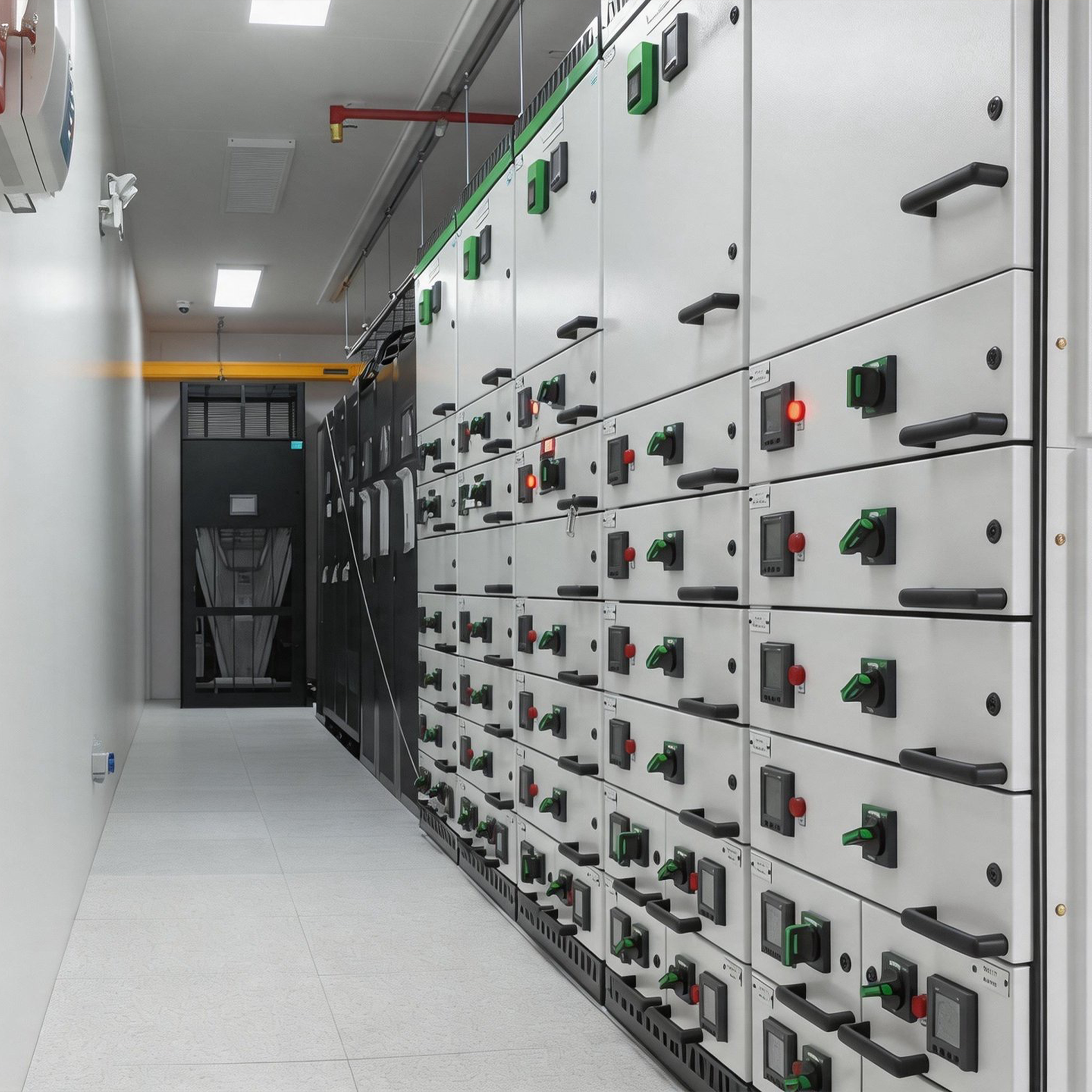

 EN
EN